
There are many options to consider when beginning a tooth straightening journey. What your goals are, what type of orthodontics you’re interested in, your time and monetary budget, and who will be providing your treatment. Today’s blog post deals with the last item on that list: WHO will be in charge of your case.
Orthodontic treatment can be provided by three main sources – at home treatment, general dentists, and orthodontists.
At-Home Treatments
You’ve likely seen ads for these products online. In general, you take an impression of your teeth at home, mail it in, and they’ll send you aligners to wear. Byte, Candid, and Smile Direct Club are a few of the more popular companies in this market.
Pros
I’m hesitant to even have a ‘pro’ category for this type of treatment, but the cost and convenience of not going into an office are attractive.
Cons
In my opinion, this is risky and often an inappropriate treatment. No one talked to you specifically about your concerns or goals. It’s unclear who made your treatment plan – was it a doctor? A computer program? A technician? No one is monitoring your progress, your gums, how your teeth and bite are changing. Customer service is notoriously difficult to reach and it will (almost always) be a customer service representative, not a doctor to answer questions about your dental health care.
There have been many, many cases where the outcome is not ideal and even harmful after treatment with some of these products. Some have gone out of business and have stopped support in the middle of treatment with little recourse for the patients.
To be fair, the simplest orthodontic cases can likely turn out ok with this type of unmonitored treatment. But unless you went to dental school – you don’t know if that description applies to you! Without someone doing a proper exam and diagnosis and then monitoring the progress of your case, you and your teeth are at risk for poor outcomes including loss of teeth and serious damage to your TMJ.
General Dentists
General dentists are the doctors you go to for your semi-annual check-ups and if you need a filling or other work done to your teeth. They often work with a network of dental specialists like oral surgeons, periodontists and orthodontists for the more advanced and specialized treatments.
Under a CA dental license, a dentist is allowed to do all things in the field of dentistry – root canals, extractions, dentures, filling, implants, braces – but you are held to the standard of a specialist for the outcome. Dental school covers orthodontics at a very basic level – rarely would a student be allowed to treat their own case – and any knowledge beyond that would be gained from taking continuing education classes in their free time once they are practicing. Some general dentists have an interest in orthodontics and take classes to further their understanding, while some take just enough to get ‘certified’ to use the orthodontic products (like Invisalign).
Orthodontists (& other dental specialists) go to an additional training program after graduating from dental school. Dr. Laurent went to the Harvard School of Dental Medicine for 4 years to get her dental degree and then to UCSF for three more years to get her Orthodontic certificate and masters degree. The entire program at UCSF is dedicated to orthodontic cases and tooth movement.
Pros
You likely have a good relationship with your general dentist and see them twice per year. It can be comfortable and convenient to have them do your orthodontic treatment in their office. (It is NOT true that general dentists charge less for orthodontic treatment.)
Cons
The quality of work can vary widely depending on your dentist’s experience with and knowledge of orthodontic movement. And it can be hard to know how much they know! If the diagnosis or treatment plan isn’t correct or the case too complex, sometimes general dentists can run into trouble with finishing the case as planned. As I said above, if you didn’t go to dental school, you don’t know how complex your case is to make that choice!
Orthodontists
As stated previously, Orthodontists are general dentists who have gone through 2-3 years in additional training specifically in moving teeth and facial growth and development. In this residency program, they have the opportunity to treat a wide range of complex orthodontic cases. Orthodontists are licensed dentists – so we *could* do fillings and cleanings and extractions, but in stating that we are orthodontic specialists, we only provide orthodontic/tooth moving treatments.
Pros
Orthodontists focus their practice and experience on how teeth move and align. They’ve often treated many, many more cases than a general dentist would have. And unlike general dentists who handle a variety of oral health concerns, orthodontists focus only on treating tooth alignment and bite issues. Since orthodontists are specialists, they’re well versed in communicating clearly with your general dentist or other specialists like oral surgeons to make sure your case is comprehensively treated to the best result for you.
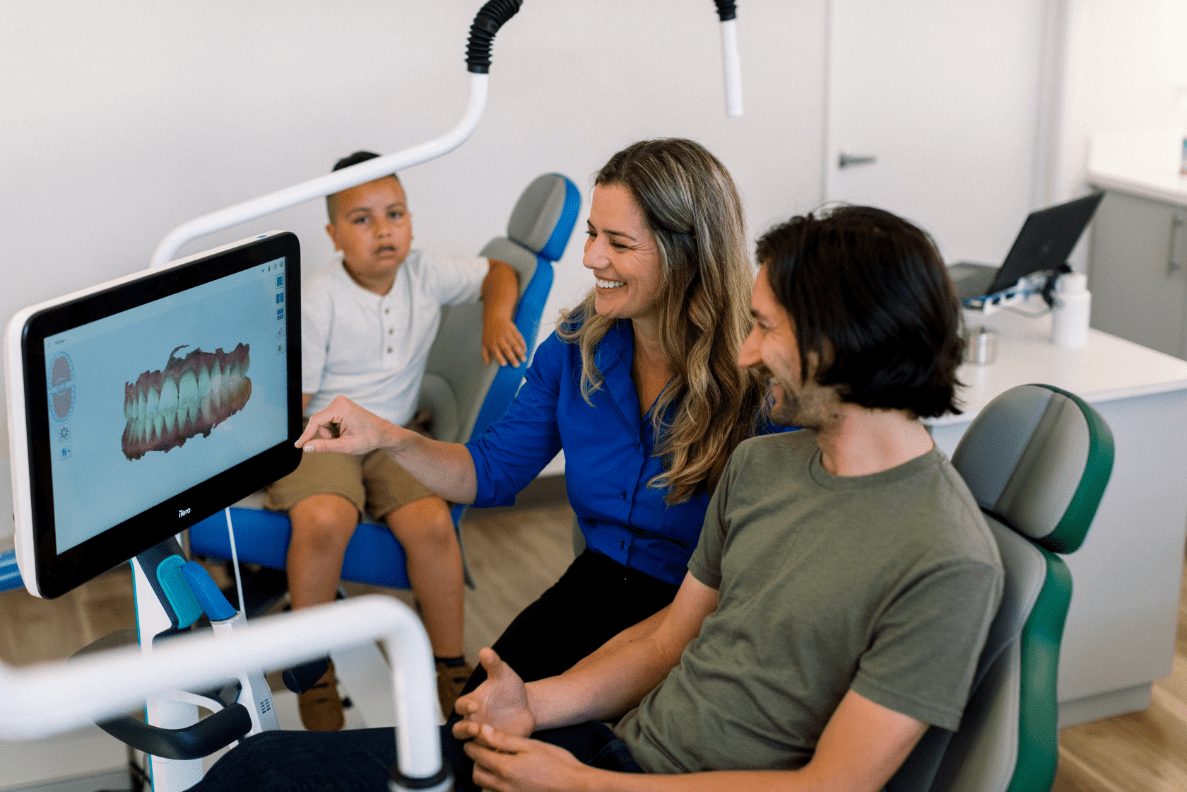
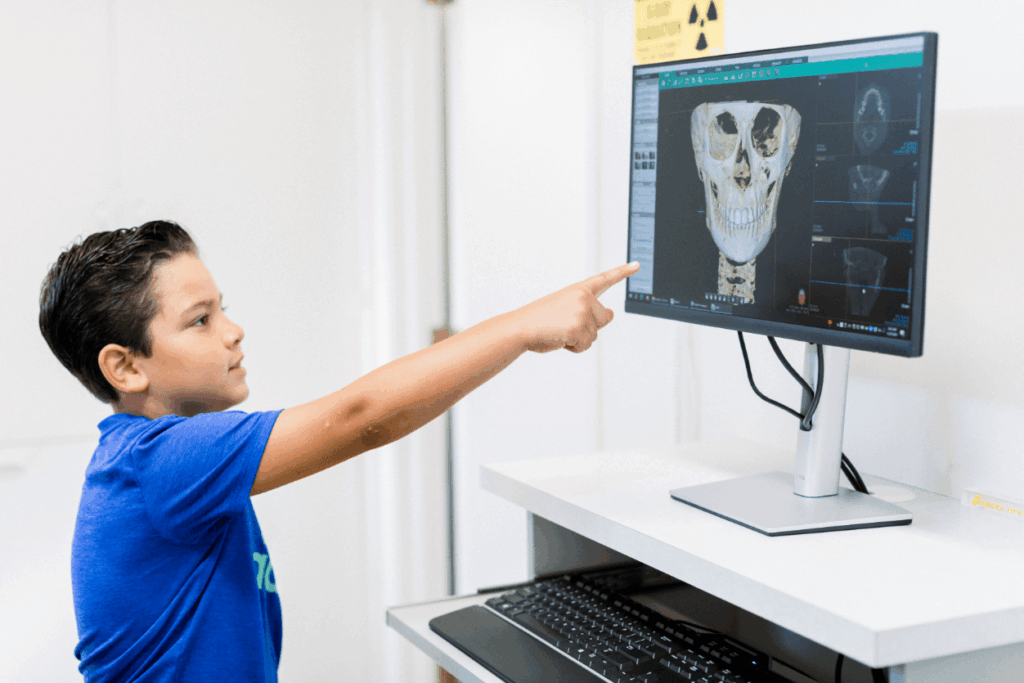
Because of their broad experience, orthodontists often have more options to choose from for treatment: braces, aligners, retainers, etc. Additionally, our continuing education after finishing school focuses only on advancements in orthodontics, not the broad field of dentistry in general. For that reason, many orthodontists have high tech offices that provide the best diagnosis and most comfortable treatment (for example, our office has almost completely done away with the goopy impressions of your teeth and instead uses a 3D camera).
Cons
Orthodontists can vary in their experience and in what options they offer. Orthodontic treatment, in general, takes a year or more to complete with regular check ins. It’s important to have a good relationship with the orthodontist and the office – and that can vary greatly depending on who the provider is.
If you’re looking for a trusted orthodontist who will improve the alignment of your teeth and enhance your oral health, then give us today to schedule your complementary initial exam. Our team is here to guide you through the best treatment options tailored to your needs.